Wiring Infrastructure Built for Public Safety
Transportation and ITS electrical in Lake County for signal cabinet power feeds, roadway lighting, and detection system wiring that require licensed installation and utility coordination
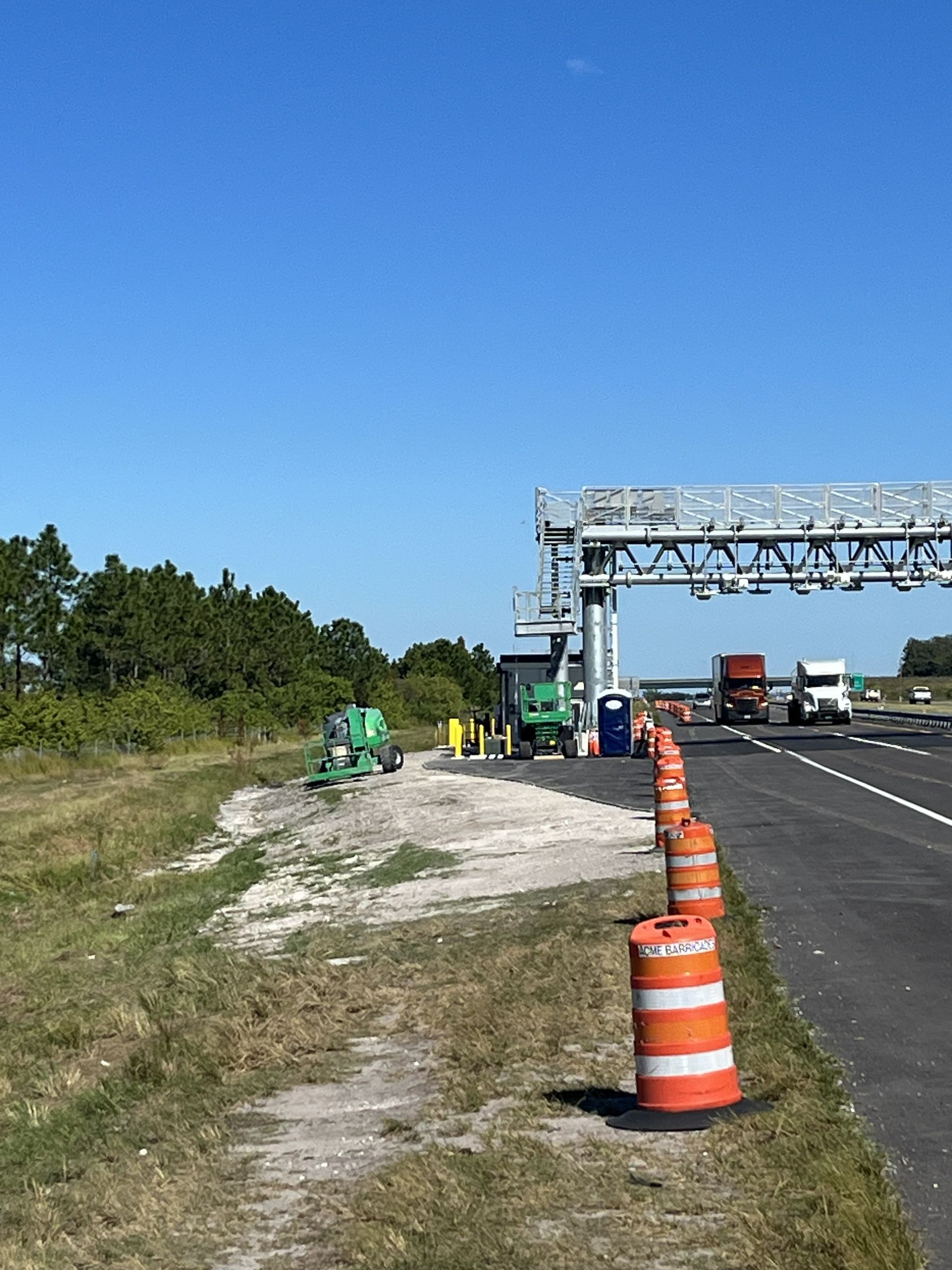
Transportation and ITS electrical work involves designing and installing the power infrastructure that keeps roadway systems running—signal controllers, cabinet power feeds, inductive loop detectors, camera systems, dynamic message signs, and highway lighting. R.E. Yates Electric performs this work across Central Florida, including Lake County corridors where infrastructure upgrades and new development frequently require ITS integration from the ground up. Projects in this category involve utility coordination, conduit routing through active roadways, and documentation that meets both local jurisdiction and FDOT requirements.
Underground conduit installation for transportation systems demands more planning than standard commercial work. In Central Florida's high-water-table areas—common throughout Lake County—conduit depth, sweep radii at pull boxes, and drainage provisions all affect long-term serviceability. A conduit run that floods at the first pull box creates ongoing maintenance problems; proper design accounts for grade, groundwater, and junction box placement before a single foot of trench is opened.
Schedule a consultation with R.E. Yates Electric to review the electrical scope on an upcoming transportation or ITS project.
Transportation electrical systems differ from standard commercial work in one critical way: the loads are geographically distributed across public right-of-way, and failure at any point affects public safety. Signal cabinet power feeds, ITS device circuits, and highway lighting poles all require coordinated installation with verified grounding, proper fusing, and junction box configurations that hold up under Florida's weather conditions. Every pull box, every conductor splice, and every cabinet connection point is a potential failure location—so installation decisions at each one carry real operational consequences.
After installation, the functional differences are measurable. Signal timing runs from confirmed power at the cabinet. Camera and detection systems respond without intermittent dropouts from ground faults or undersized conductors. Lighting circuits operate on schedule without nuisance tripping caused by moisture infiltration—a common failure mode in regions with frequent heavy rain and standing water in roadway corridors.
Master-licensed scope matters on transportation work because service entrance connections, medium-voltage feeds to highway lighting systems, and coordination with utility points of connection all require licensing that goes beyond journeyman credentials. R.E. Yates Electric handles permit applications, FDOT documentation requirements, and inspection coordination so those steps don't fall back on the general contractor or the municipality managing the project.
Common Questions About Transportation Electrical Work
Transportation and ITS electrical projects often involve multiple stakeholders—municipal engineers, general contractors, FDOT reviewers, and utility providers. The questions below reflect what typically comes up before and during this type of work.
What does ITS electrical installation actually include?
ITS electrical covers power feeds to signal cabinets, conduit and wire for cameras, sensors, variable message signs, and communications equipment, along with grounding systems and pull box installation at intervals specified by the design engineer.
How does underground conduit installation work in Central Florida's soil conditions?
In Lake County and surrounding areas, sandy soil and seasonal high water tables affect conduit depth requirements and pull box drainage design—conditions that require field assessment rather than standard spec sheet application.
When is a master electrician license required for transportation projects?
Service entrance connections, medium-voltage feeds, and any work requiring a permit pulled through FDOT or a local municipality require master-licensed scope, which covers the full range of transportation electrical work.
How do you handle changes during construction?
Sensitive ITS electronics—controllers, cameras, detection hardware—are vulnerable to ground faults and induced voltage; proper grounding and bonding at each cabinet and pull box location protects equipment from the voltage transients common during Florida's thunderstorm season.
What documentation does R.E. Yates Electric provide at project close?
Completed projects include as-built conduit routing, pull box locations, circuit schedules, and inspection records formatted for municipal or FDOT project closeout requirements.
Transportation and ITS electrical projects require a contractor who can work across jurisdictional boundaries, meet documentation standards, and hold the licensing the work demands. Contact R.E. Yates Electric to discuss the electrical requirements on your next transportation or roadway infrastructure project.