Charging Infrastructure Built for Daily Use
EV Charging and High Power Circuits in Lake County for electric vehicle owners who need reliable home charging without service interruptions
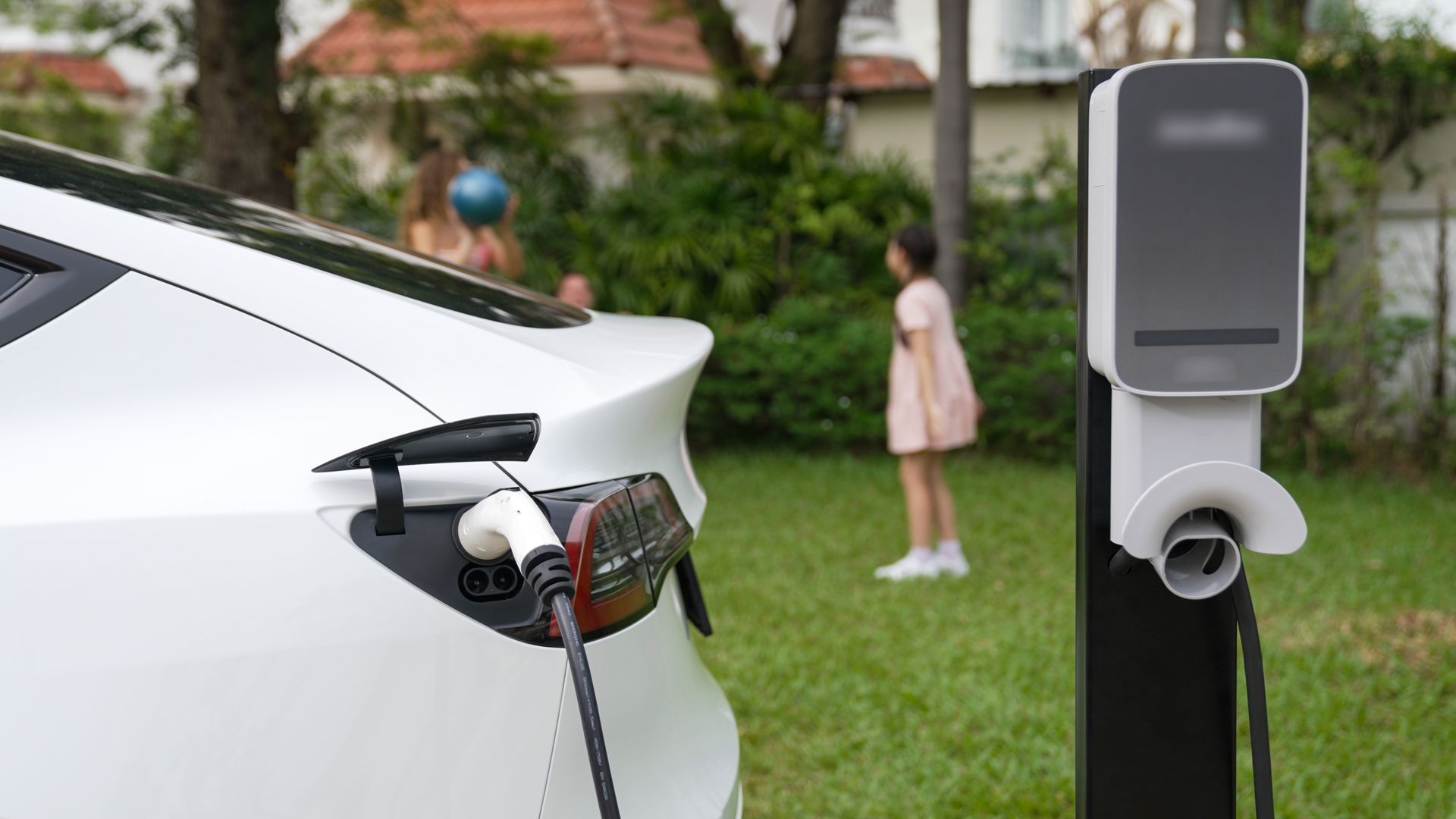
Electric vehicles draw significantly more power than standard household appliances, and charging at home requires dedicated circuits capable of sustaining high amperage loads for hours without overheating. Level 2 home chargers typically demand 40 to 50 amps, which exceeds the capacity of most existing garage circuits and often requires a service panel upgrade to accommodate the additional load safely. R.E. Yates Electric Inc. evaluates current electrical capacity, routes properly sized conductors to the charger location, and installs dedicated breakers that meet National Electrical Code requirements for EV charging equipment.
The installation process begins with a load calculation to determine whether your existing service can support the charger's continuous draw alongside air conditioning, water heating, and other simultaneous demands. If the panel lacks available capacity, upgrading the service entrance and main breaker prevents nuisance tripping and ensures the charger operates at full rated speed without forcing you to manage which other circuits are active.
Schedule an EV charging assessment to evaluate your electrical service capacity and determine installation requirements.
EV chargers operate as continuous loads, meaning they draw maximum current for extended periods rather than cycling on and off like refrigerators or air conditioners. Code requires conductors sized at 125 percent of the continuous load rating to prevent heat buildup in wiring that could degrade insulation or create fire hazards over time. Conduit routing must protect cables from physical damage, and grounding connections must meet specifications to safely handle fault currents if internal charger components fail.
Once the circuit is installed and tested, you notice that your vehicle charges predictably overnight, adding range faster than standard 120-volt outlets without tripping breakers or causing voltage sags that dim lights elsewhere in the house. The dedicated circuit eliminates the need to unplug other equipment or avoid using the dryer while charging, and the installation supports future vehicles with even higher charging rates if you upgrade models.
Proper installation also considers charger placement relative to where you park, ensuring the charging cable reaches without stretching across walkways or garage doors. Weatherproof enclosures protect outdoor installations from Florida's humidity and rain, and disconnect switches provide a code-compliant means to isolate the charger for maintenance or emergency shutoff.
Answers to Frequent Installation Questions
Homeowners throughout Central Florida from Tavares to Tampa and the surrounding areas face similar decisions when adding EV charging capability, and understanding the electrical requirements prevents costly mistakes during installation.
What determines whether a service upgrade is necessary for EV charging?
Total load calculation adds the charger's continuous draw to existing peak demand from air conditioning, water heating, cooking, and other simultaneous loads; if the sum exceeds 80 percent of the main breaker rating, upgrading the service prevents overload.
How long does it take to charge an electric vehicle with a Level 2 home charger?
Charging speed depends on the vehicle's onboard charger capacity and the circuit amperage, but most Level 2 installations deliver 25 to 30 miles of range per hour, fully recharging depleted batteries overnight during off-peak electricity rates.
Can EV chargers share circuits with other garage equipment?
Code prohibits sharing circuits for EV charging equipment because the continuous high-amperage draw would overload conductors sized for intermittent loads like garage door openers, lighting, or power tools.
What wire size and conduit type meet code for outdoor charger installations?
Copper conductors sized for the charger's rated amperage plus 25 percent safety margin, installed in weatherproof conduit rated for direct burial or exterior exposure, satisfy National Electrical Code requirements and protect against Florida's humidity and temperature extremes.
Do smart chargers require additional wiring for connectivity?
Most smart chargers connect to home networks via WiFi and only require the dedicated high-power circuit; however, installations in detached garages or areas with weak wireless signals may benefit from hardwired network connections run alongside the electrical conduit.
R.E. Yates Electric Inc. installs EV charging systems that deliver safe, reliable power for daily use. Contact us at (407) 473-2354 for a load assessment and installation plan that gets you charging at home without service interruptions or code violations.